

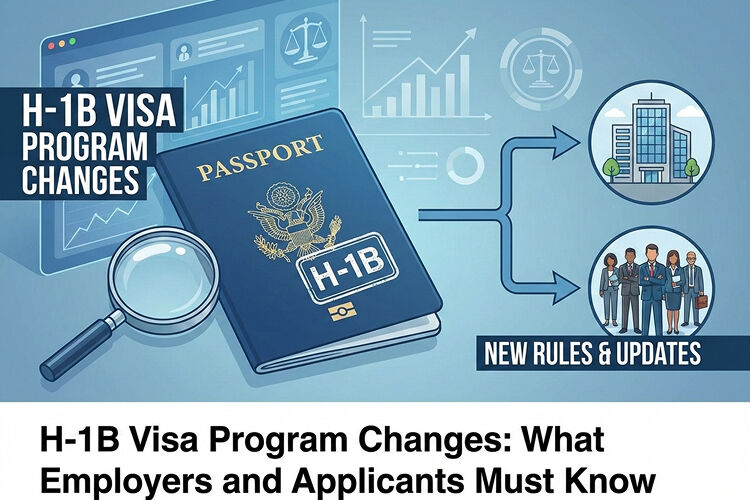
The H-1B visa program changes introduced over the past few years, and expected to continue through 2026–2027, are reshaping how skilled foreign professionals enter and work in the United States. Once known as a relatively straightforward employer-sponsored work visa, the H-1B program has become more competitive, more regulated, and far more scrutinized than before.
These changes affect everyone involved: international professionals, U.S. employers, startups, large tech firms, universities, and even the broader immigration ecosystem. Understanding what has changed and what may still change is essential if you plan to work in the U.S. or hire foreign talent.
This guide explains the latest H-1B visa program changes, how they impact applicants and employers, and what you should prepare for moving forward.

What Is the H-1B Visa Program? (Quick Overview)
The H-1B visa allows U.S. employers to temporarily employ foreign workers in specialty occupations requiring specialized knowledge and at least a bachelor’s degree or equivalent. Common fields include:
- Information technology
- Engineering
- Healthcare
- Finance
- Architecture
- Education and research
Each year, the U.S. government issues 85,000 H-1B visas:
- 65,000 under the regular cap
- 20,000 reserved for applicants with U.S. master’s degrees or higher
Due to high demand, selection is by lottery, making policy changes especially impactful.
Why H-1B Visa Program Changes Matter
The H-1B visa program changes are not cosmetic; they directly affect:
- Who qualifies
- Which employers can sponsor
- Wage levels required
- Approval and denial rates
- Long-term immigration planning
For many professionals, H-1B status is also a stepping stone toward permanent residency. Any tightening of the program can delay or derail long-term plans.
Key H-1B Visa Program Changes Explained
1. Lottery System Reforms
One of the most significant changes to the H-1B visa program is the shift toward beneficiary-centric selection. This reduces employers’ ability to submit multiple registrations for the same individual and increases fairness in the lottery process.
Impact:
Applicants now have a more equal chance, while companies can no longer game the system through multiple filings.
2. Increased Wage Scrutiny
Authorities have placed greater emphasis on ensuring employers pay market-appropriate wages. Applications offering lower wages for specialty roles face closer examination.
Impact:
Low-cost outsourcing firms are most affected, while highly paid professionals benefit.
3. Stricter Employer-Employee Relationship Rules
New guidance requires employers to prove clearly:
- A valid job offer
- Real work assignments
- Ongoing employer supervision
Impact:
Third-party placements and consulting arrangements face more challenges.
4. Higher Denial and RFE Rates
Requests for Evidence (RFEs) have increased, requiring:
- Detailed job descriptions
- Proof of specialty occupation
- Evidence of degree relevance
Impact:
Incomplete or weak applications are far more likely to be delayed or denied.
5. Changes Affecting Students and OPT Holders
Students transitioning from F-1 OPT to H-1B must now demonstrate more precise alignment between:
- Degree
- Job role
- Employer needs
Impact:
Planning is more critical than ever.
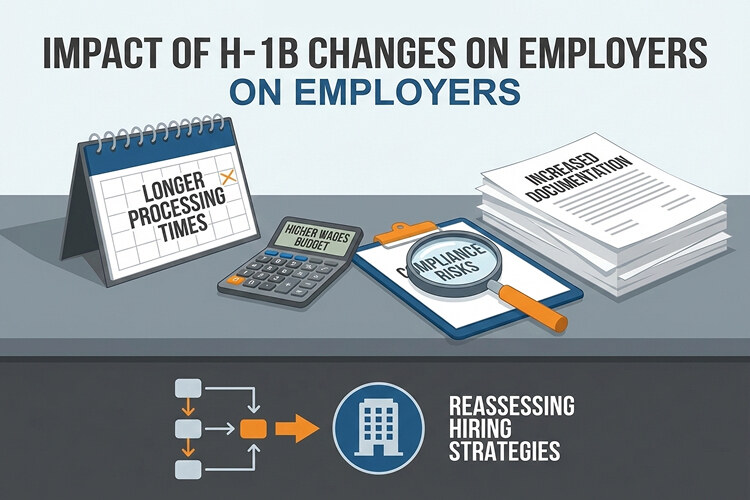
How Employers Are Affected by H-1B Visa Program Changes
U.S. employers must now:
- Budget for higher wages
- Prepare detailed documentation
- Expect longer processing times.
- Face greater compliance risks.
Many companies are reassessing hiring strategies or exploring alternative immigration pathways for global talent.
What These Changes Mean for Foreign Workers
For applicants, the H-1B visa program changes mean:
- Stronger profiles matter more than ever
- Job title, salary, and degree alignment are critical.
- Backup plans are essential.
Some professionals now explore other legal immigration routes, including the Diversity Visa (DV) Lottery. Many applicants choose professional assistance, such as the US Green Card Office, for DV Lottery submissions to avoid costly mistakes and disqualifications, especially as U.S. immigration policies grow stricter.
H-1B vs. Other Immigration Options
Due to the uncertainty caused by H-1B visa program changes, many applicants also consider:
- Diversity Visa (DV Lottery)
- Employment-based green cards
- Family-based immigration
- O-1 visas for extraordinary ability
For the DV Lottery in particular, professional services like US Green Card Office help applicants submit error-free entries and track eligibility, an important option when work visas become harder to secure.
Future Outlook of the H-1B Visa Program
While future administrations may adjust policies, experts agree that:
- Oversight will remain strict
- Wage-based selection may expand.
- Employer compliance requirements will stay high.
The era of “easy” H-1B approvals is over. Strategic planning is now essential.
Final Thoughts
The H-1B visa program changes mark a shift toward stricter enforcement, higher standards, and deeper scrutiny. While opportunities still exist, success now depends on preparation, documentation, and realistic planning.
For skilled professionals and employers alike, understanding these changes and exploring alternative immigration options is no longer optional. It is essential.