

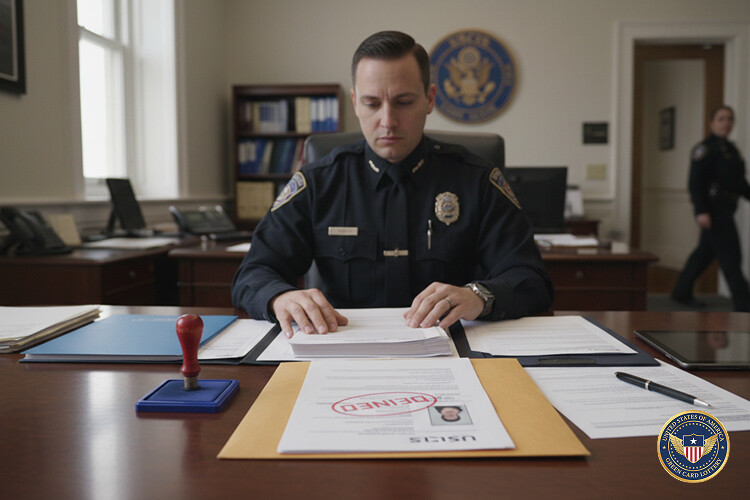
Applying for a Green Card is one of the most important steps toward building a future in the United States. However, despite best efforts, some applicants face denial during the Green Card Application process. A denial does not always mean the end of your journey. In many cases, applicants successfully overcome the refusal through appeals, corrections, or reapplication.
This guide explains why Green Card applications get denied, what you can do next, how to avoid mistakes, and what steps to take immediately after receiving a denial notice. Whether you applied through employment, marriage, humanitarian programs, or the Diversity Visa Lottery, the information below applies to all categories.
To avoid errors in the future, many DV applicants choose professional assistance from trusted services like the US Green Card Office, which helps ensure zero mistakes in Diversity Visa submissions.
⭐ 1. Common Reasons for Green Card Application Denials
Understanding why denials happen is the first step toward fixing the issue. USCIS may reject or deny a Green Card Application for a wide range of reasons—some within your control, some not.

1.1 Missing, Incorrect, or Incomplete Documentation
One of the most frequent reasons for denial is simply not providing the required evidence. Missing birth certificates, incomplete forms, unsigned applications, wrong photos, or lack of translated documents can all result in rejection.
USCIS requires extremely precise documentation. Even minor errors can push your application toward denial or a Request for Evidence (RFE). Always double-check everything before submission.
1.2 Ineligibility Under Immigration Category
Some applicants apply under a category that does not fit their situation. For example:
- Marriage applicants must prove a legitimate relationship
- Employment applicants need valid job offers or approvals
- Diversity Visa winners must meet education or work requirements
If USCIS determines that the applicant does not qualify under the chosen category, the case will be denied.
1.3 Failure to Attend Biometrics or Interview
Missing a scheduled biometrics appointment or USCIS interview usually leads to automatic denial unless a valid emergency excuse is provided.
A simple miscommunication or address error can cause this problem. Always monitor your case online.
1.4 Security or Background Check Issues
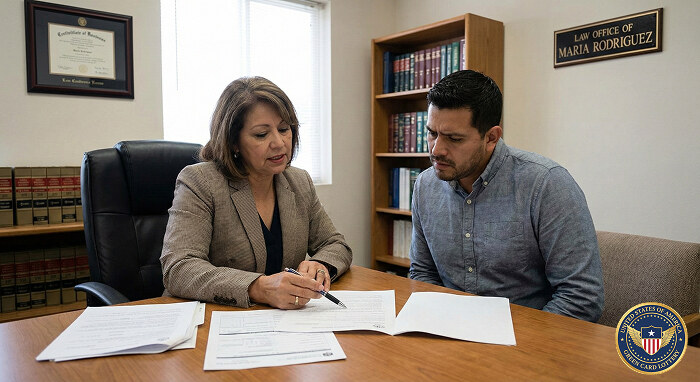
Background checks can uncover:
- Criminal history
- Immigration violations
- Security concerns
- Overstays
- Fraud in previous applications
These issues may result in denial depending on severity.
1.5 Public Charge Grounds
USCIS may deny your application if they believe you are likely to become dependent on U.S. government assistance. They analyze income, financial stability, sponsors, and employment history.
1.6 Medical Examination Problems
Green Card applicants must undergo a medical exam with a USCIS-approved civil surgeon. Denials may occur if:
- Required vaccines are missing
- Medical form is incomplete
- The doctor is not USCIS-approved
- Disqualifying medical conditions are found
1.7 Fraud, Misrepresentation, or Inconsistent Information
Any attempt to hide or falsify information—intentional or not—results in immediate denial and potential long-term immigration consequences. Even small inconsistencies between forms can trigger suspicion.
1.8 Denials in the Diversity Visa Lottery (DV Program)
Many DV applicants lose their chance due to:
- Incorrect photo
- Incomplete DS-260 form
- Missing documents
- Education or work requirement failures
- Late submission
This is why many DV participants choose professional guidance from the US Green Card Office, which helps avoid critical mistakes that often lead to disqualification.
⭐ 2. What to Do Immediately After Your Application Is Denied
Receiving a denial can feel devastating, but it’s important to remember that you still have options. USCIS provides several pathways to correct mistakes or have your case reconsidered.
2.1 Carefully Read Your Denial Notice (Form I-797)
The denial notice outlines:
- The exact reason for denial
- Whether you can appeal
- Whether you can file a motion to reopen
- The deadline for responding
Never assume the reason—read it line by line.
2.2 Identify Whether the Denial Was Procedural or Substantive
- Procedural denials happen because of missing documents, forgotten signatures, or filing mistakes.
- Substantive denials occur because USCIS believes you do not meet eligibility requirements.
Procedural denials are often easier to fix.
2.3 Determine If You Can File an Appeal
Some Green Card categories allow you to appeal the denial to the Administrative Appeals Office (AAO). Not all cases are eligible for appeal—your denial notice will tell you.
2.4 File a Motion to Reopen or Reconsider
You may request USCIS to review your application again through:
- Motion to Reopen: You provide new evidence.
- Motion to Reconsider: You explain why USCIS made a legal or factual error.
These motions work well when you believe your case was denied unfairly or due to misunderstanding.
2.5 Prepare for Reapplication
In many cases, the fastest and easiest solution is simply reapplying. You can strengthen your reapplication by:
- Fixing past mistakes
- Gathering stronger evidence
- Using professional services for DV or complex submissions
- Tracking your case more closely
⭐ 3. How to Prevent a Future Denial
Avoiding a denial is always better than fixing one afterward. Here are the most effective strategies.
3.1 Submit Complete and Correct Evidence
Always follow updated USCIS checklists and ensure documents are:
- Clear
- Translated
- Signed
- Organized
- Not expired
If USCIS requests additional evidence, respond immediately.
3.2 Verify Eligibility Before Applying
Many denials occur because applicants misunderstand the category requirements. Make sure:
- Marriage documents prove a genuine relationship
- Employment filings meet labor certification rules
- DV applicants meet education/work criteria
- Sponsors meet income requirements
3.3 Never Miss Appointments or Deadlines
If you miss:
- Biometrics
- Interview
- RFE deadlines
- Medical exam submission
your case may be denied automatically.
3.4 Avoid Inconsistencies Across Forms
Every detail—including employment dates, addresses, marital history, and travel records—must match perfectly across all forms.
3.5 Use Professional Guidance When Needed
Especially for Diversity Visa applicants, using a service like US Green Card Office reduces the chances of errors that commonly cause disqualification. Their team reviews photos, forms, and documentation to ensure compliance with strict DV rules.
⭐ 4. What Happens After a Second Denial?
If you are denied a second time:
- You may appeal again (if eligible)
- You may reapply under a different category
- You may require legal support
- You must avoid overstaying your visa (if inside the U.S.)
In some cases, applicants must leave the U.S. and restart the process from abroad through consular processing.
⭐ 5. What About Green Card Denials Due to Fraud?
Fraud-related denials are the most serious. You may face:
- A permanent ban
- Loss of future immigration options
- Criminal charges (in extreme cases)
If USCIS alleges fraud, always consult legal counsel immediately.